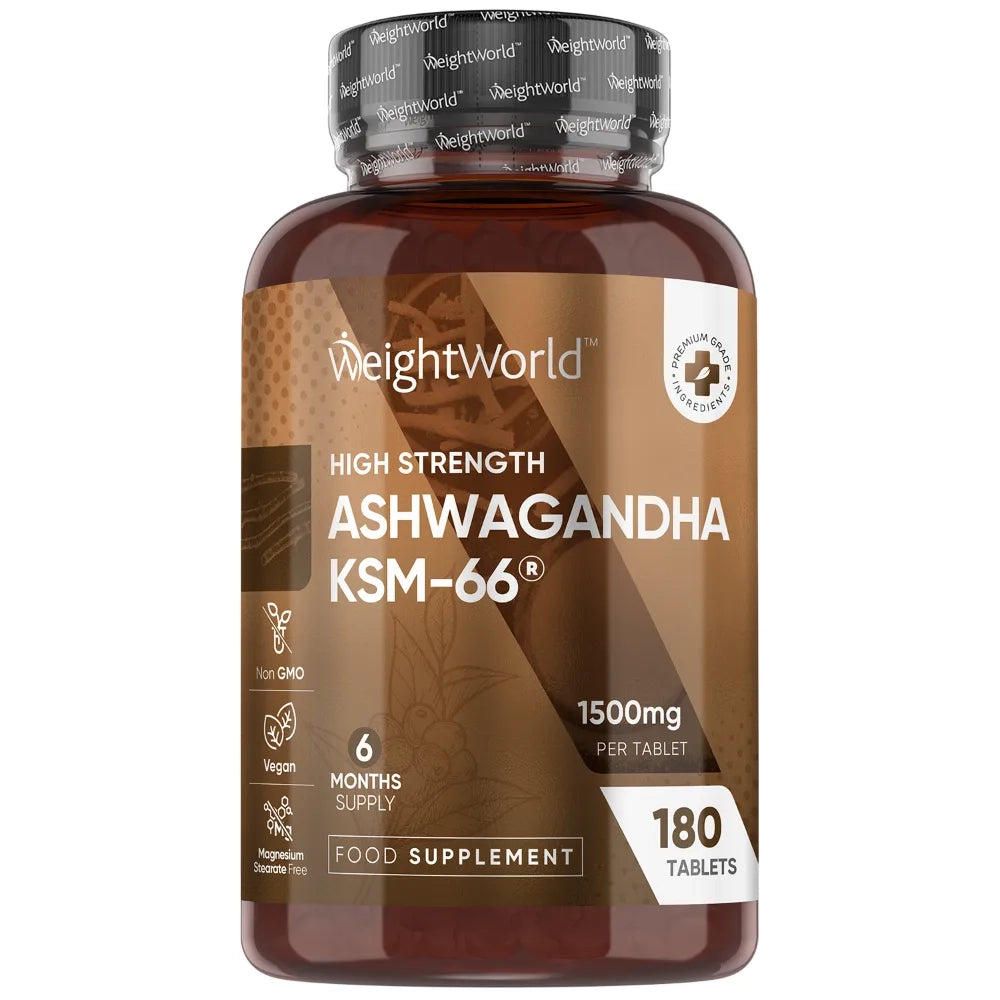
In the pursuit of optimal performance, whether in the gym, at the office, or during demanding daily tasks, energy levels often become the limiting factor. While a balanced diet, adequate sleep, and regular exercise form the foundation of sustained vitality, many athletes and busy professionals turn to scientifically-backed supplements to bridge the gap between ordinary stamina and peak output. This guide explores the most effective energy-boosting supplements, explains how they work, and offers practical tips for selecting the right formula to support high-intensity goals.
Understanding How Energy Supplements Work
Energy-enhancing products typically target three physiological pathways:
- ATP Production: Compounds such as creatine and certain B-vitamins help the body generate adenosine triphosphate (ATP), the primary energy currency of cells.
- Neurotransmitter Modulation: Caffeine, L-theanine, and adaptogenic herbs influence dopamine, norepinephrine, and serotonin to improve focus and reduce perceived fatigue.
- Metabolic Efficiency: Ingredients like beta-alanine and L-carnitine support the efficient use of oxygen and fatty acids during prolonged activity.
Top Categories of Energy-Boosting Supplements
1. Caffeine-Based Formulas
Caffeine remains the most widely researched stimulant for short-term performance gains. When paired with L-theanine, the jittery edge often associated with caffeine can be softened, delivering a smoother, more sustained alertness.
- Typical dose: 100-200″?mg caffeine + 100-200″?mg L-theanine per serving.
- Best for: Quick bursts of mental clarity, pre-workout focus, and endurance sports lasting under two hours.
2. Creatine Monohydrate
Although primarily known for strength gains, creatine also enhances cellular energy reserves, which can translate into better overall stamina.
- Loading phase: 20″?g/day split into 4 doses for 5-7 days (optional).
- Maintenance: 3-5″?g/day.
- Best for: High-intensity interval training, weightlifting, and activities requiring repeated explosive efforts.
3. Adaptogenic Herbs
Adaptogens such as rhodiola rosea, ashwagandha, and eleuthero help the body adapt to stress, thereby preserving energy stores during prolonged physical or mental strain.
- Rhodiola: 200-400″?mg of a standardized extract (3% rosavins, 1% salidroside).
- Ashwagandha: 300-600″?mg of a high-potency extract (standardized to 5% withanolides).
- Best for: Long-duration endurance events, high-pressure work environments, and recovery days.
4. Beta-Alanine and Carno-Boosters
Beta-alanine raises muscle carnosine levels, buffering lactic acid and delaying fatigue during intense efforts lasting 1-4 minutes. L-carnitine assists in transporting fatty acids into mitochondria for oxidation, supporting endurance.
- Beta-alanine: 2-5″?g per day (split doses to reduce paresthesia).
- L-carnitine: 1-2″?g per day, preferably with a carbohydrate source for better uptake.
- Best for: Sprint intervals, rowing, cycling, and any activity where lactic acid buildup limits performance.
Choosing the Right Energy Boost Supplement
When selecting a product, consider the following criteria to ensure safety, efficacy, and alignment with personal goals:
- Ingredient Transparency: Look for third-party testing and clear labeling of active dosages.
- Synergistic Blends: Formulas that combine caffeine with L-theanine or creatine with beta-alanine often provide more balanced results.
- Allergen Awareness: Verify that the supplement is free from common allergens such as gluten, dairy, or soy if sensitivities exist.
- Regulatory Compliance: Products sold by reputable retailers adhere to local supplement regulations and avoid prohibited substances.
For a curated selection of high-quality options, explore the energy boost supplement range, which offers blends tailored to both mental focus and physical endurance.
Integrating Supplements into a Daily Routine
Supplements work best when integrated with consistent lifestyle habits. Below is a sample schedule for a typical training day:
- Morning (upon waking): 200″?mg caffeine + 200″?mg L-theanine; 3″?g creatine mixed in water.
- Pre-Workout (30-45 minutes before): 2″?g beta-alanine (split dose) and 300″?mg rhodiola.
- During Workout: Hydration with electrolytes; optional intra-workout BCAA for muscle preservation.
- Post-Workout (within 30 minutes): 5″?g protein, 1″?g L-carnitine, and a carbohydrate source to replenish glycogen.
- Evening (relaxation): 300″?mg ashwagandha to support recovery and reduce cortisol levels.
Potential Side Effects and Safety Considerations
While most energy-enhancing supplements are safe for healthy adults, awareness of possible adverse reactions is essential:
- Caffeine Sensitivity: Excessive intake can cause insomnia, jitteriness, or elevated heart rate. Limit total daily caffeine to < 400"?mg.
- Beta-Alanine Tingling: A harmless paresthesia that can be minimized by dividing the dose throughout the day.
- Creatine Loading: May cause mild gastrointestinal discomfort; staying well-hydrated mitigates this effect.
- Adaptogen Interactions: Some herbs may interact with thyroid medication or blood pressure drugs; consult a healthcare professional if any prescription is in use.
Conclusion: Elevate Performance with Informed Choices
Optimizing energy levels is a multifaceted endeavor that blends nutrition, rest, training, and targeted supplementation. By understanding the mechanisms behind each ingredient and selecting products that prioritize purity and scientific backing, such as those found in the curated energy boosting supplements collection, athletes and busy professionals can sustain higher output, improve focus, and recover more efficiently. Remember that supplements complement, not replace, foundational habits; a balanced diet, adequate sleep, and progressive training remain the cornerstones of peak performance.